 Intelligent Traffic Management refers to the use of advanced technologies and systems to optimize traffic flow, reduce congestion, enhance road safety, and improve the overall efficiency of transportation networks. It integrates real-time data collection, analysis, and decision-making tools, such as:
- Sensors and IoT Devices: For monitoring traffic patterns, vehicle speeds, and environmental conditions.
- AI and Machine Learning: To analyze data and predict traffic trends or incidents.
- Dynamic Traffic Signals: That adapt to real-time conditions to minimize delays.
- Vehicle-to-Infrastructure (V2I) Communication: Allowing vehicles and road infrastructure to exchange information for better coordination.
- Traffic Control Centers: Central hubs where data is analyzed and actions are coordinated.
- Real-Time Monitoring: Utilizing IoT devices, cameras, and sensors to gather data on traffic flow, vehicle density, weather conditions, and road incidents.
- AI and Predictive Analytics: Employing machine learning to analyze patterns, forecast congestion, and optimize traffic routes.
- Dynamic Traffic Control Systems: Adaptive traffic signals and lane management that respond to changing conditions to reduce delays and improve flow.
- Vehicle-to-Infrastructure (V2I) and Vehicle-to-Vehicle (V2V) Communication: Enabling vehicles to communicate with each other and with traffic systems for improved coordination and safety.
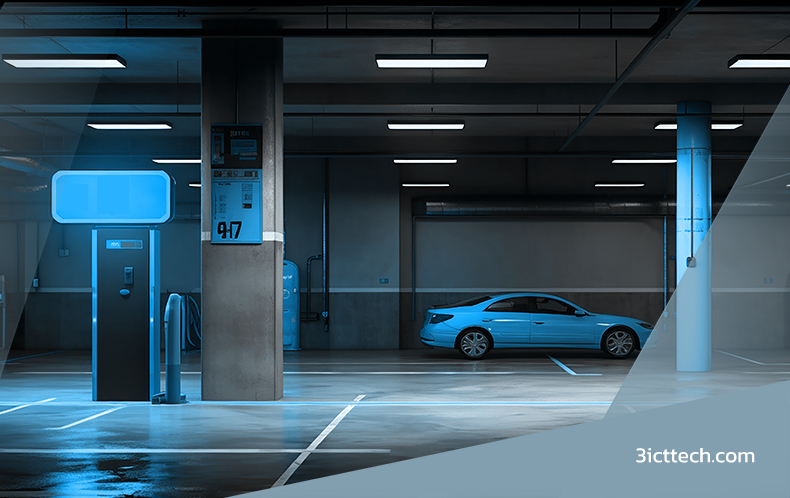
- Smart Parking Solutions: Real-time updates on parking availability to reduce unnecessary driving and congestion.
- Public Transportation Integration: Synchronizing traffic management with buses, trains, and other transit systems to prioritize efficient movement.
- Incident Detection and Response: Rapid identification of accidents or breakdowns and immediate deployment of response teams to clear obstructions.